
ORIGIN Combat Guide: What You Can Do in a Fight and How Encounters Work
ORIGIN combat explained: chain combos, block, parry and break guard; fight bare-handed or with the Jian; hunt the Wilds for gold, spirit stones and rare gear; and keep PvP optional.
Quick answer
In an ORIGIN fight you can chain combos, block, parry at the perfect moment and break your enemy's guard, fighting bare-handed or with the Jian sword. Normal combat sends you into the Wilds to hunt beasts and bosses that can drop gold, spirit stones and rare gear — and PvP stays optional, so you can turn it off and cultivate in peace.
- Four fight actions: chain combos, block, parry at the perfect moment, break the enemy's guard
- Two fighting styles: bare-handed or the Jian sword
- The Wilds: beasts and bosses that can drop gold, spirit stones and rare gear
- A party opens the Kitsune raid — tougher than ordinary Wilds fights
- PvP dueling is optional and can be switched off
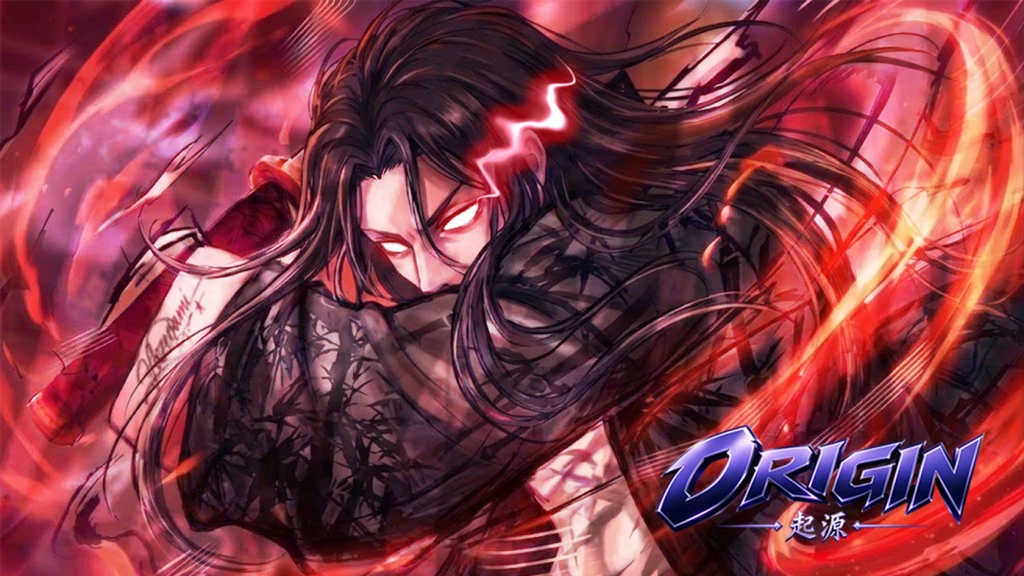
Combat in ORIGIN works on three layers: what you actually do inside a single fight, where fights happen, and who you fight. Here is each layer, starting with the part the question is really about — your own two hands.
The four things you do in a fight
ORIGIN's own fight description names four actions, and together they cover both halves of any battle — hurting the enemy and staying alive yourself:
- Chain combos — link your strikes together so the pressure keeps flowing instead of stopping after every swing.
- Block — the basic defensive action, for when an attack is coming and you are not answering with one of your own.
- Parry at the perfect moment — the timing check. The game puts it right in the phrasing: what makes a parry work is when you do it. This is the action that separates tidy defense from sloppy defense.
- Break your enemy's guard — the counter to defensive play. When an opponent shuts you out behind their guard, this is how you deal with it.
In practice the four flow into each other. Combos are your offense, blocks and parries are how you answer the enemy's offense, and guard breaks exist for the fights where your opponent refuses to open up — swapping between those roles as the exchange develops is what an ORIGIN fight looks like.
Bare hands or the Jian
You also choose how you are armed. The game lets you fight bare-handed or wield the Jian, a straight sword, and both styles sit side by side in its combat setup — the choice is yours. ORIGIN's named weapons are a separate collection from this choice; more on them in the hitting-harder section below.
How a normal encounter works
Combat takes you into the Wilds, and that is where ORIGIN's PvE fighting lives. A normal encounter is beasts to hunt and bosses to beat, with loot attached: beasts and bosses there can drop gold, spirit stones and rare gear, so a successful hunt can pay in resources.
Two things raise the ceiling on that loop. The first is bosses — the heavier fights of the Wilds, with the biggest named ones broken down in our world bosses guide. The second is raids: grouping with a party opens the Kitsune raid, which is a tougher fight than the ordinary Wilds encounters. The party is how the raid opens — this is ORIGIN's designed group fight.
Duels, or peace: PvP is your choice
Combat is not only you versus beasts. You can duel other cultivators in PvP.
Just as important: PvP can be turned off entirely. The game frames it as a real either-or — duel other cultivators, or switch PvP off and cultivate in peace. Growing your Qi without looking over your shoulder is a supported way to play. Our turn off PvP guide covers the switch, and the PvP guide goes deeper on dueling.
Hitting harder: how your build carries into a fight
Fights are not decided by inputs alone — ORIGIN ties your damage to how far your cultivation has come:
- Temper your body. Body training is part of cultivation progression, and its effect lands directly in combat: training your flesh makes every strike hit harder. Our body tempering guide covers that side of the game.
- Roll rare at creation. Your Qi Type, Body Type and Qi colour are rolled when your character is created, and rare results make your character grow faster and hit harder. Our Qi types, Body types and Qi colours guides break down what each roll means.
On top of your own body comes the arsenal. ORIGIN advertises martial arts and legendary weapons to master, naming the Heavenly Spear, the Ruyi Jingu Bang, the Blossom Sword, Tang Clan Poison Arts, Demonic Arts and more. How each one is obtained is beyond this guide, but our martial arts guide and legendary weapons guide are the places to dig into them.
Putting a normal fight together
So, end to end: pick your style — bare hands or the Jian — chain combos, answer attacks with blocks and well-timed parries, and break the enemy's guard when they try to shut the fight down. Beasts and bosses in the Wilds can drop gold, spirit stones and the occasional rare piece of gear; add a party and the Kitsune raid is your next step up; and PvP stays your call — duels when you want them, peace when you do not.
If you are early in the game, the beginner guide covers the cultivation foundation underneath all of this, and the codes page keeps the current codes in one place.
Related Guides
PvP Guide
Dueling other players: yes it is possible, how fights work with combos, parries and cultivation power, and how to opt out.
World Bosses
The full boss list: Nine-Tailed Fox, Locked Up Demon of Heaven, Sun Wukong, Heaven's new bosses and the Hashixl hunt.
Builds Guide
The choices that shape a build: race, bloodline, Qi type and body type, plus what rolls and rerolls actually change.
Raids Guide
Party up to open the Kitsune raid, earn nine tails across nine runs, and claim the Nine-Tailed Sovereign title.